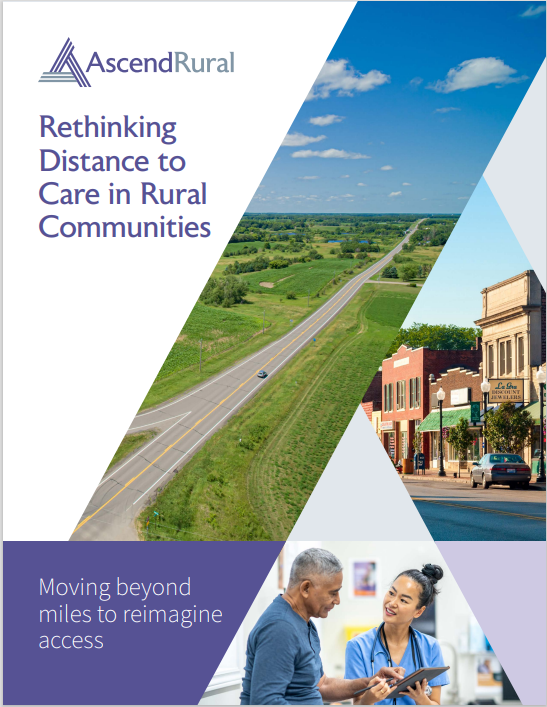
Distance to Care & Services
Access isn’t just about distance—it’s about how care and services are designed, delivered, and experienced.
Rural residents travel over twice as far for healthcare compared to urban populations. But distance isn’t just a transportation issue. It’s a broader challenge of how people access the care, services, and support they need—when and where they need them.
The problem
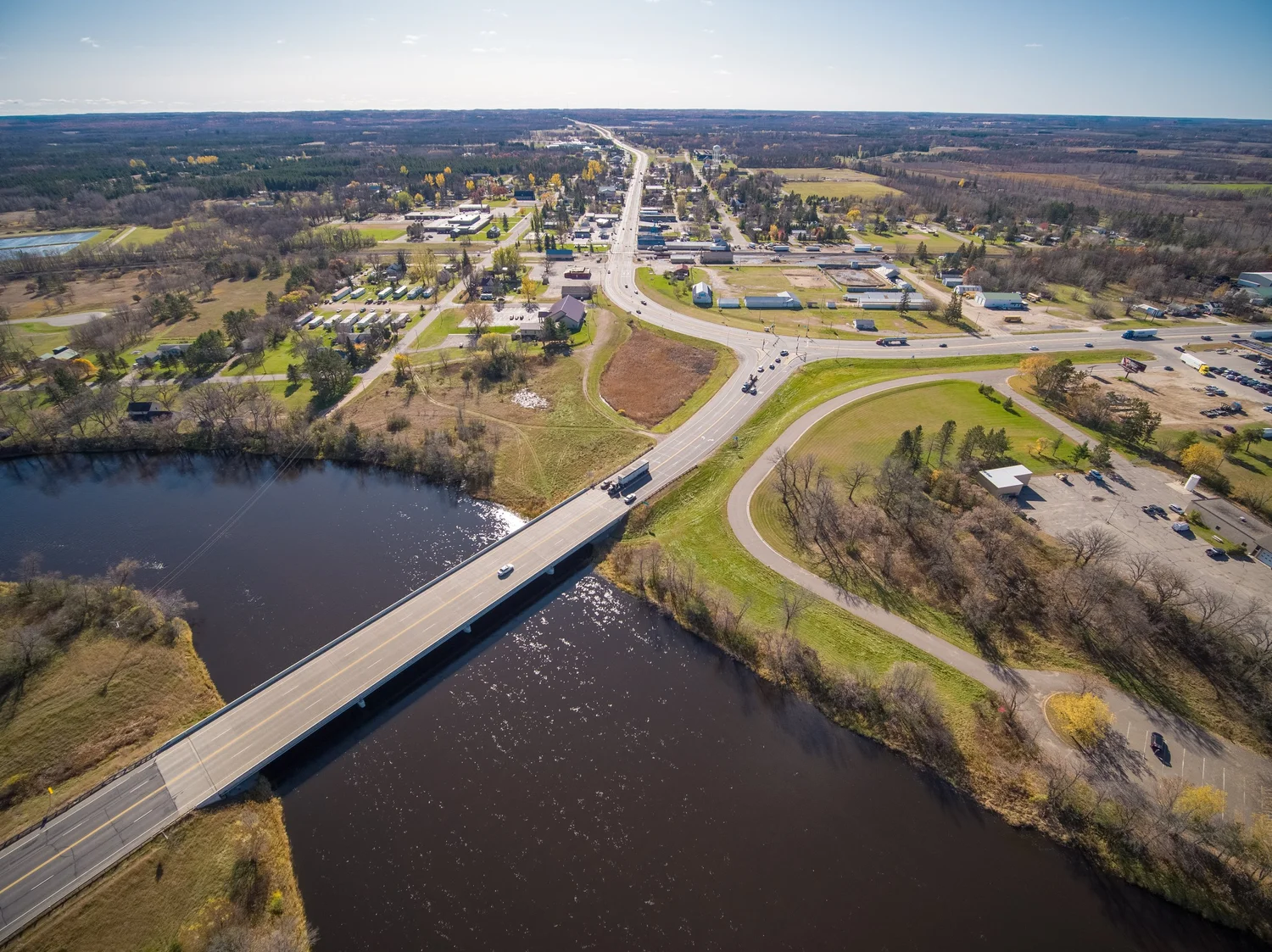
Distance shapes access in more ways than one.
Rural residents often travel farther for healthcare, but transportation is only part of the challenge. Distance can affect whether people can reach healthcare providers, manage ongoing conditions, receive essential goods and access services close to home.
Five problem areas identified by rural communities
- 01Transportation access & coordinationMaking the rides that already exist in rural communities easier to find, book, coordinate and sustain.
- 02Local access to preventive, primary, specialty & oral careBringing care within reach through local access points and virtual care that works under rural constraints.
- 03Managing chronic conditions & preventing avoidable declineSupporting people between appointments so risks are caught before they become emergencies.
- 04Last-mile medication, supplies & foodReliably delivering essentials to the homes and addresses standard delivery leaves out.
- 05Strengthening the business of rural accessHelping the agencies that deliver rural services capture revenue, diversify funding and reduce costs.
For technology companies
RFP Solicitation for Technologies
Now closedThe RFP for the AscendRural Innovation Challenge: Bridging Distance to Rural Care & Services closed on October 6, 2026. Thank you to every company that took the time to respond and share how your solution can help close the distance to care in rural communities.
AscendRural, a program of Sourcewell (a State of Minnesota local government unit and service cooperative), issued this solicitation to result in a procurement solution for use by Sourcewell Participating Entities. It sought innovative technology-enabled solutions that reduce the impact of distance on rural communities’ access to healthcare, services, and essential goods, across five problem areas: transportation access and coordination; local access to primary, specialty, and oral care; managing chronic conditions; last-mile delivery of essentials; and strengthening the business of rural access.
Proposals are now under evaluation. We’ll share updates as the process moves forward.
Sourcewell is a local unit of government under Minnesota state statute, and competitively solicits and awards contracts. Purchasing agencies are responsible for performing due diligence and ensuring compliance with all applicable federal, state, and local laws, as well as specific funding requirements, in consultation with legal counsel.
For community collaborators
Distance to Care Community Cohort
Now underwayRural communities know their challenges better than anyone. Our Community Cohorts create a collaborative space where rural nonprofits and government agencies work alongside AscendRural to identify needs and explore solutions and potential pilots that deliver sustainable impact.
We’re excited to share that more than 20 rural organizations have been invited to join the Distance to Care Community Cohort, focused on finding solutions to barriers created by distance to care and services. Thank you to everyone who applied.
Status
A quick look at where we’re at in our process with this impact theme.
This page will be updated with project milestones, engagement opportunities, and what we’re learning along the way.
The Rural Innovation Model
- 1Complete
Identify & Define
Convene communities to identify shared priorities and the outcomes that matter.
- 2Now · Evaluation
Source
Vet technologies with the potential to meet rural needs.
- 3
Prepare
Equip communities and innovators to move forward with confidence.
- 4
Match & Align
Bring the right organizations, solutions, and partners together.
- 5
Demonstrate
Test in real settings and build evidence for decisions.
- 6
Sustain & Scale
Support adoption and help effective solutions reach more communities.
Insights
Explore the thinking behind the work.
By AgeTech Collaborative from AARP
AscendRural Challenges Innovators to Close the Rural Care Gap
Read the article →
By AscendRural
A new path to government procurement built with rural communities at the center
Read the release →