
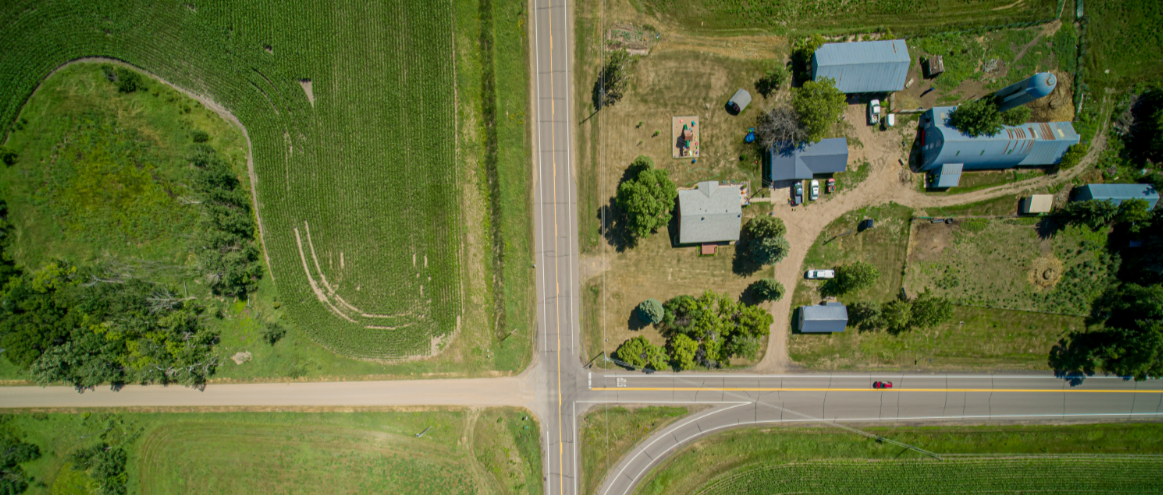


Definition of Rural
AscendRural exists to boost well-being in rural America. To best focus resources and support, we’ve crafted a definition of rural that we apply to our programs.
Our definition of rural includes:
Communities within non-metropolitan counties, as defined by U.S. Office of Management and Budget
Counties that are not part of a metropolitan statistical area and generally contain no cities larger than 50,000 residents, and are not functionally suburban.
Isolated communities within metropolitan counties
Places located in metro counties but geographically and economically separated from the primary urban center, typically identified by USDA Rural–Urban Commuting Area (RUCA) codes of 4 or higher.
Low population density and scale
Communities that fall outside U.S. Census–designated urban areas, reflecting lower population and housing density and smaller settlement patterns.
Localized labor markets with limited urban commuting
Areas where most residents work locally rather than commuting daily to large urban job centers, commonly located:
30–60 miles from a major city in small-town contexts, and
60–90 miles or more in rural and isolated areas.
Disproportionate exposure to economic opportunity gaps
Communities where job growth, business formation, and economic recovery have lagged national trends, including places that still have fewer jobs today than before the Great Recession, while metropolitan areas have largely recovered.
Strong local identity
Harder to measure, identity and interdependence of people is a key characteristic in describing rural.
How do I know if my community is rural?
Please use the “Am I Rural” tool in the Rural Health Information Hub to enter your address.