
Rural Readiness: What innovators need to know before piloting in rural America
By Melissa Kjolsing, Managing Director, AscendRural
Key insights
Relationships are your most valuable infrastructure
Lead with the "why" and make it personal
Resource constraints are real, but so is loyalty
Design with, not for
Rural is not a niche, it's a national growth opportunity
When it comes to innovation, rural communities are often seen as the “final frontier,” an afterthought in a tech landscape dominated by dense urban markets. But that thinking is backward. Rural communities are not only ripe for innovation, they’re critical to its success and sustainability. The question isn’t whether rural is ready for innovation. The question is: Are you ready for rural?
At AscendRural, we help bridge the gap between startups and rural communities by piloting technology solutions that improve well-being. We see firsthand what works, what doesn’t, and what innovators often overlook. If you’re a startup or builder aiming to enter rural markets, or seeking meaningful feedback to refine your product, here’s what you need to know about being truly rural-ready.
1. Relationships are your most valuable infrastructure
In rural places, trust doesn’t move at the speed of technology. It moves at the speed of relationships.
You might have a cutting-edge solution, but if it’s not connected to the right people – community champions, local connectors, school administrators, health providers – your pilot will stall before it starts. Rural communities run on reputation. And your credibility doesn’t enter the room when you do; it’s brought in by those who already have standing in the community.
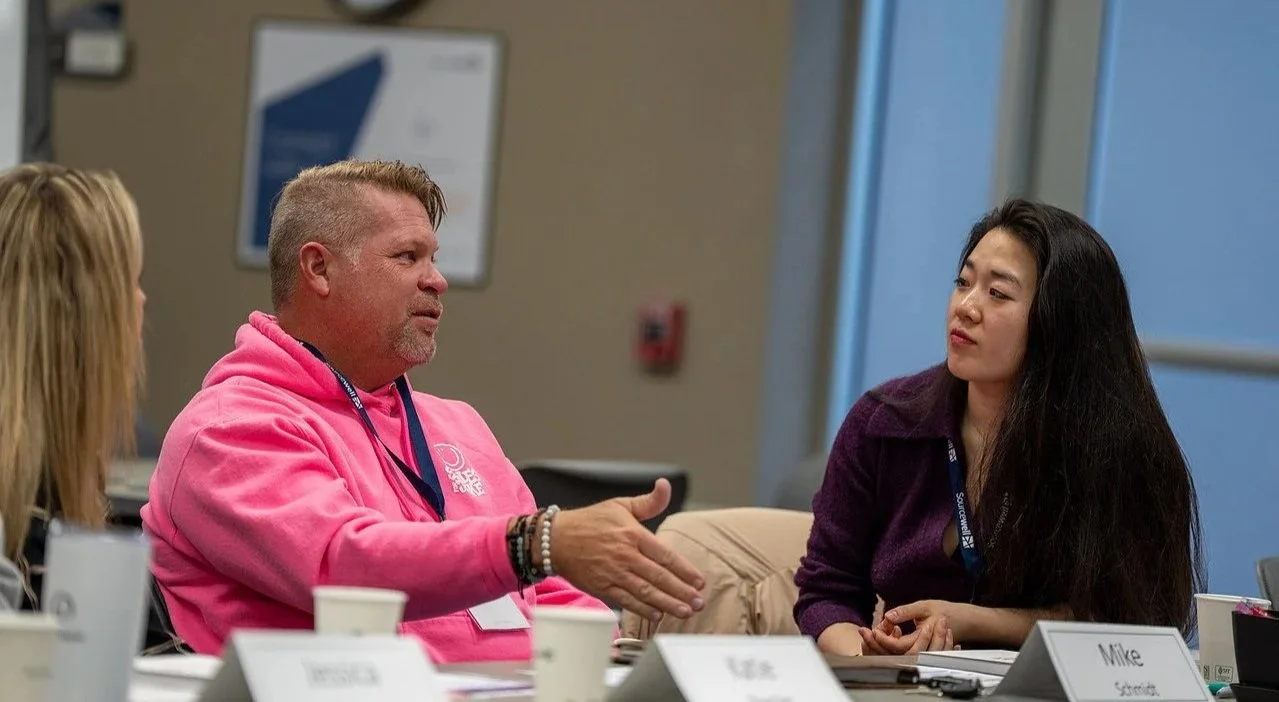
We tell the startups we work with: don’t show up with a pitch deck, show up with curiosity. Listen first, ask questions rooted in genuine interest, and invest the time to understand how things get done locally. A great idea won’t move the needle if no one trusts where it came from.
2. Lead with the “why” and make it personal
The most successful pilots don’t just land, they resonate. That starts with communicating your “why” in a way that aligns with local values.
Rural communities are not monolithic, but there are consistent themes: pride in place, commitment to family, belief in self-reliance, and an enduring spirit of community. These aren’t just values, they’re decision-making filters. If you don’t connect your solution to those core drivers, you’ll likely face resistance or indifference.
When engaging rural stakeholders, avoid savior language or grand promises. Instead, ground your message in shared aspirations and tangible impact. Frame your technology through the lens of local challenges and lived experiences. Ask yourself: Would this pitch make sense to a school board member? A local clinic director? A small-town mayor?
The rule is simple: if your “why” doesn’t connect, your “what” won’t matter.
3. Resource constraints are real, but so is loyalty
Rural communities are known for doing more with less. Budgets are tight, staff are stretched, and infrastructure can be limited. This reality can create friction for outside innovators, especially those used to plug-and-play deployments.
But here’s the flip side: once you prove value and build trust, rural partners become some of the most loyal, committed collaborators you’ll ever work with. There’s a stickiness to rural partnerships that many startups underestimate. Pilots that succeed in rural communities often lead to long-term relationships, organic referrals, and invaluable word-of-mouth validation.
And when a product or service genuinely improves life in a rural place? The community doesn’t just adopt it, they advocate for it.
4. Design with, not for
One of the biggest mistakes startups make is treating rural communities as customers instead of co-creators. Don’t assume you know the problem or the solution better than the people living it every day.
At AscendRural, we emphasize co-creation over consultation. That means engaging local stakeholders from day one, incorporating feedback into design iterations, and adapting based on what’s actually working on the ground. It’s not just more respectful; it’s more effective.
Communities don’t want innovation done to them. They want to shape it alongside you.
5. Rural is not a niche, it’s a national growth opportunity
With over 60 million people living in rural America, this isn’t a side market. It’s a frontier of innovation potential. Startups that can successfully navigate rural dynamics gain more than just proof points, they gain traction in underserved, resilient, and often-overlooked markets ready for transformation.
By piloting in places like Region 5 of central Minnesota, you get more than feedback. You learn how to build for constraints, how to communicate across lived experience, and how to create solutions that scale with relevance and integrity.
What comes next
Innovation is only as strong as the community it serves. As startups and founders, your job isn’t just to scale a product. It’s to solve problems in a way that endures.
Being rural-ready isn’t about checking a box or hitting a market expansion target. It’s about showing up differently: with humility, with intentionality, and with a willingness to listen and learn.
At AscendRural, we’re here to help you do exactly that. Join us >